Carents Modeling: A Handwritten Font with Heartfelt Impact
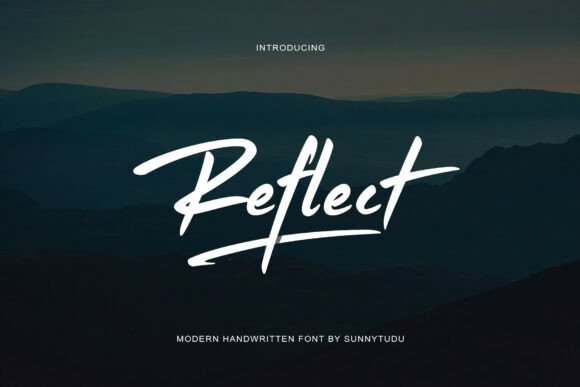
Carents Modeling stands out in the world of modern typography as a distinctive handwritten font that blends boldness with emotional depth. Its thick vertical strokes and sweeping horizontal lines create a flared style that feels both expressive and intentional. Unlike many script fonts that lean toward elegance or whimsy, Carents Modeling carries a dramatic presence—almost like a personal signature—making it ideal for projects that require authenticity and visual strength.
Visual Personality and Design Characteristics
The appeal of Carents Modeling lies in its confident structure and dynamic rhythm. Each letter is crafted to feel like a deliberate stroke of the hand, with subtle variations that mimic real handwriting. The font's flared endings add a touch of flair without sacrificing legibility, while the contrast between thick and thin lines gives it visual interest. This combination makes it a compelling choice for display purposes, especially when a handwritten font needs to command attention without feeling overly casual.
Unlike serif or sans serif fonts that prioritize neutrality, Carents Modeling embraces personality. It’s not meant for long blocks of body text but shines as a headline or title font where visual impact matters. Designers who want to inject warmth and sincerity into their work often turn to this typeface for its heartfelt appearance and expressive tone.
Best Applications Across Design Projects
Carents Modeling excels in contexts where emotional resonance is key. It works beautifully in family-themed designs, such as birth announcements, custom greeting cards, or personalized gifts like mugs and tote bags. Its expressive nature also makes it a strong contender for logo design, especially for brands that want to convey authenticity, creativity, or a personal touch.
- Editorial design: Use it sparingly for magazine covers or feature headlines where a handwritten font adds a human element.
- Packaging design: Ideal for boutique product labels, artisanal packaging, or limited-edition branding that aims to feel handcrafted.
- Social media graphics: Perfect for quote posts, motivational banners, or storytelling visuals that need a warm yet bold presence.
- Web design: Can be used in hero headers or branding elements when paired with a clean, readable sans serif for body text.
Because of its dramatic flair, Carents Modeling is best suited for short-form text where visual hierarchy is important. It commands attention without being overbearing, making it a go-to choice for creative fonts that need to stand out responsibly.
How Carents Modeling Influences Branding and Engagement
Typography plays a subtle but powerful role in shaping brand perception. Carents Modeling, with its expressive and heartfelt appearance, can help establish a brand identity that feels genuine and approachable. When used thoughtfully, it can influence how audiences interpret tone, personality, and intent.
For small businesses and content creators, this font can enhance recognition and consistency across marketing materials. Whether it's used in a logo, a social media post, or a product label, its unique style contributes to a cohesive visual language. Unlike generic script fonts, Carents Modeling carries enough distinction to be memorable without alienating the viewer through excessive ornamentation.
From a design standpoint, it also supports better visual hierarchy when used as a display font. It naturally draws the eye, making it ideal for headlines, callouts, or branding elements that need to stand out. However, because of its stylized nature, it should be paired with simpler fonts to maintain readability and balance in multi-layered designs.
Practical Tips for Using Carents Modeling
When considering Carents Modeling for a project, it's important to evaluate how well it aligns with both the message and the medium. Here are some practical guidelines to ensure it enhances rather than overwhelms your design:
- Test readability: Always preview the font in context. Some characters may be more stylized than others, so check how it performs in different sizes and backgrounds.
- Review included styles: Many premium fonts come with alternate characters, ligatures, or multiple weights. Make sure the version you're using includes what you need for your design.
- Consider font pairing: Pair Carents Modeling with a clean sans serif or a minimalist serif to create contrast and balance. Avoid pairing it with other overly decorative fonts that might compete for attention.
- Check licensing: If you're using the font for commercial purposes—such as in a logo, product packaging, or digital advertisement—verify that you have the appropriate commercial font license.
- Use it intentionally: This is not a font for every element of a design. Reserve it for titles, logos, or accents where its expressive qualities can shine without compromising clarity.
Designers should also test how Carents Modeling performs across different platforms, especially in web design and digital marketing. While it works beautifully in print and static visuals, using it on websites may require embedding via a service like Google Fonts or Adobe Fonts to ensure cross-browser compatibility.
Real-World Examples and Design Observations
One of the most effective uses of Carents Modeling is in personalized gift design. For example, a name printed in this font on a custom wooden sign or a canvas print adds a heartfelt, bespoke quality. It's also a popular choice for wedding invitations and baby announcements, where warmth and individuality are essential.
In branding, Carents Modeling has been used effectively by small lifestyle brands and creative entrepreneurs who want to communicate a sense of authenticity. Whether it's a boutique coffee shop's logo or a handmade soap brand's packaging, this font helps convey craftsmanship and care.
For bloggers and content creators, integrating Carents Modeling into social media templates or YouTube thumbnails can help differentiate their visual style. It pairs particularly well with pastel color palettes and organic textures, enhancing a soft yet confident aesthetic.
Ultimately, Carents Modeling is more than just a font—it's a design asset that can elevate the emotional tone of a project. Whether you're a designer, marketer, or small business owner, using it thoughtfully can make your work feel more personal, engaging, and visually cohesive.