Cute Crayon: Playful Typography for Kids
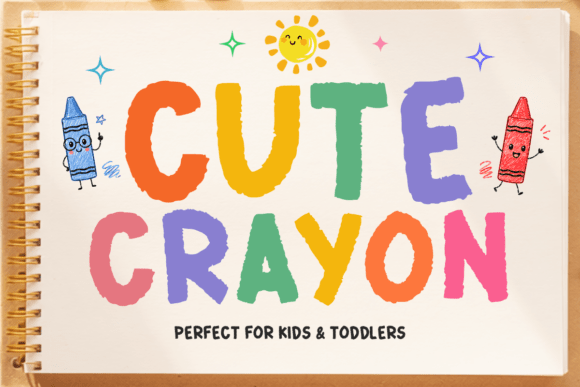
Transforming a standard layout into an engaging visual experience often requires typography that evokes genuine emotion, and Cute Crayon delivers exactly that authentic, hand-drawn charm. This textured display font captures the waxy, imperfect aesthetic of real crayon markings, making it an invaluable asset for designers targeting younger audiences or nostalgic themes. In modern graphic design, where digital perfection can sometimes feel sterile, incorporating organic elements like this helps establish a warm, approachable tone that resonates immediately with viewers.
The Role of Texture in Visual Communication
Typography is more than just readable text; it is a primary vehicle for brand identity and emotional connection. Cute Crayon succeeds because it mimics the tactile nature of childhood art, introducing a layer of sensory depth to visual design. The heavy, chunky letterforms possess a slight irregularity that prevents the design from looking manufactured. For marketers and creators, this authenticity is crucial when building trust and relatability. Whether used in editorial design for children’s books or packaging design for organic snacks, the font signals creativity and playfulness without sacrificing professional presentation.
Practical Applications Across Media
Versatility is key when selecting creative assets for a comprehensive campaign. This typeface adapts well to various formats, enhancing both digital and print projects:
- Branding and Logo Design: Ideal for daycares, toy brands, or family-oriented businesses needing a friendly, non-corporate identity.
- Social Media Graphics: Adds a stop-scrolling element to Instagram stories or Pinterest pins by breaking away from clean sans-serif norms.
- Educational Materials: Perfect for worksheets, classroom signage, and e-learning interfaces where reducing cognitive load through familiar aesthetics improves engagement.
- Merchandise and Apparel: The bold weight ensures legibility on t-shirts, tote bags, and stickers even at smaller scales.
Best Practices for Implementation
To maintain a polished result while using such a distinct style, designers must consider visual hierarchy and balance. Because Cute Crayon has significant personality, it functions best as a headline or accent font rather than body copy. Pairing it with a clean, rounded sans-serif or a simple geometric typeface creates necessary contrast, ensuring the overall composition remains accessible and easy to navigate. This strategic pairing supports effective UX design principles by guiding the user’s eye without overwhelming them.
Color selection also plays a pivotal role in maximizing the impact of this font. While the texture implies color, applying vibrant, saturated hues can enhance the "freshly colored" look. Conversely, using muted pastels or earth tones can soften the aesthetic for nursery branding or eco-friendly products. Always test scalability across devices; the intricate texture should remain crisp on high-resolution screens and in print proofs to preserve the intended handmade quality.
Enhancing User Engagement Through Nostalgia
In digital marketing, leveraging nostalgia is a powerful strategy to increase dwell time and interaction. Fonts that mimic hand-drawn art trigger positive associations with learning, safety, and fun. When integrated thoughtfully into web design or advertising campaigns, Cute Crayon does more than decorate; it communicates values. It tells the audience that the brand understands their world and prioritizes joy. This emotional resonance is often what separates memorable design trends from fleeting fads.
Ultimately, the success of any creative project lies in the intentional selection of tools that serve the message. Quality typography like Cute Crayon bridges the gap between professional execution and human warmth, ensuring your designs are not only seen but felt. By prioritizing readability, context, and emotional alignment, designers can elevate their work from merely functional to truly impactful, creating lasting connections with their audience through the power of thoughtful visual storytelling.