Retro Holly: Bringing Groovy Vintage Charm to Modern Design Projects
There is a distinct energy that comes with typography inspired by the 1970s, a decade defined by expressive freedom and psychedelic artistry. Retro Holly captures this specific cultural moment while remaining entirely relevant for today’s digital creators. It is not merely a reproduction of vintage lettering; it is a mesh of vintage aesthetics and contemporary charm that functions as a bridge between nostalgia and modern branding. For designers, crafters, and small business owners, this font offers a tangible way to inject warmth and personality into projects that might otherwise feel sterile or overly corporate.
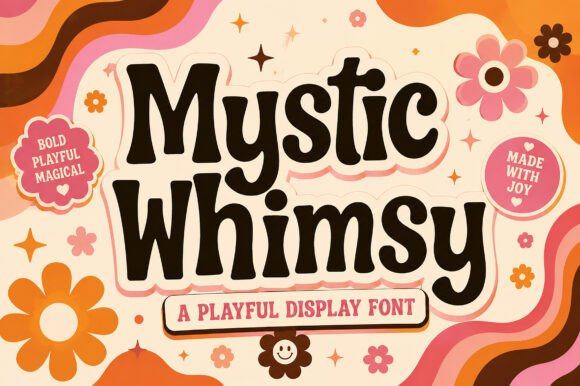
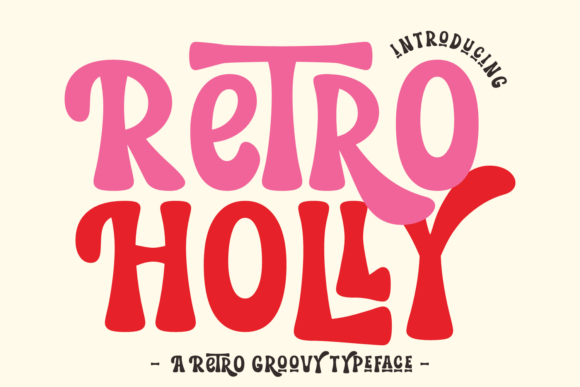
At its core, Retro Holly is a bold display font with a handwritten allure. However, describing it simply as "retro" misses the nuance of its utility. The typeface features bubble letter styling and chunky proportions that make it immediately readable even at smaller sizes, which is crucial for merchandise and social media graphics. Its playful nature suggests approachability, making it an aesthetic treasure for anyone looking to soften their visual identity without sacrificing impact. Whether you are designing a summer-themed marketing campaign or creating personalized gifts, this font serves as a versatile anchor for your creative vision.
Elevating Physical Merchandise and Apparel
One of the most practical applications for Retro Holly lies in the world of print-on-demand and custom apparel. The t-shirt market is saturated with minimalist sans-serif fonts and overly ornate scripts that can be difficult to read from a distance. Retro Holly solves this visibility issue through its bold, groovy structure. When applied to cotton tees, hoodies, or tote bags, the font’s chunky weight ensures the design pops against the fabric texture. This is particularly effective for festival wear, concert merchandise, or boutique clothing lines targeting a demographic that appreciates boho and retro revival styles.
Beyond apparel, this typeface excels in sticker design. Stickers require immediate visual recognition, often viewed on laptop lids, water bottles, or phone cases where space is limited. The bubble letter style inherent in Retro Holly allows for tight kerning and compact layouts that remain legible. Designers using Cricut or Silhouette machines will find the clean vector lines (available in SVG format) cut smoothly without jagged edges, reducing weeding time and material waste. The font’s playful curves translate exceptionally well to vinyl, making it a staple for planners, journals, and decorative decals.
Digital Branding and Social Media Presence
In the digital space, attention spans are short, and visuals must communicate a vibe instantly. Retro Holly pairs perfectly as a logo or header font for brands in the wellness, beauty, food, and lifestyle sectors. A bakery specializing in sourdough, a yoga studio offering vinyasa flows, or a vintage reseller on Etsy can all leverage this font to signal authenticity. It tells the audience that the brand values craftsmanship and has a sense of humor, distinguishing it from competitors using generic modern typography.
For content creators, consistency is key to building a recognizable personal brand. Using Retro Holly for Instagram story highlights, YouTube thumbnails, or Pinterest pins creates a cohesive visual thread. The font’s psychedelic artistry works harmoniously with warm color palettes, grain filters, and organic shapes common in current social media trends. Because it includes unique extras like wavy and swash styles, creators can vary their typography hierarchy without leaving the font family. A wavy baseline can add motion to a static post, while swashes can frame product photography elegantly, keeping the feed dynamic yet unified.
Versatility Through Alternate Styles and Formats
A common frustration with novelty display fonts is their lack of variation; they look great in one context but repetitive in another. Retro Holly addresses this by including wavy, chunky, and swash alternates. These variations are not just decorative afterthoughts; they are functional tools for layout design. The wavy style mimics the warped text effects popular in 70s rock posters, adding instant kinetic energy to headlines. The swash characters provide necessary flourishes for balancing asymmetrical compositions, allowing the designer to fill negative space organically rather than forcing additional graphic elements.
The availability of both SVG and PNG formats further expands its user base. Vector files are essential for professional designers working in Adobe Illustrator or Affinity Designer who need infinite scalability for billboards or large-format prints. Conversely, the PNG format with transparent backgrounds is invaluable for Procreate users and iPad artists who want to drag and drop lettering directly onto their canvas without managing complex vector layers. This dual-format approach ensures that whether you are a seasoned graphic designer or a hobbyist exploring digital art, the asset integrates seamlessly into your existing workflow.
Practical Considerations for Effective Use
While Retro Holly is undeniably charismatic, understanding its limitations is just as important as appreciating its strengths to ensure professional results. As a bold display font, it is designed for headlines, logos, and short phrases. It is not suitable for body copy or long-form reading. Attempting to use it for paragraphs will result in visual fatigue and poor readability. Instead, pair it with a clean sans-serif or a simple serif for supporting text. This contrast not only maintains legibility but also makes the retro elements stand out more effectively.
Spacing is another critical consideration. Bubble letters naturally occupy significant horizontal space. When working within constrained dimensions, such as a mobile banner or a small tag, you may need to utilize the alternate characters or adjust tracking manually. Fortunately, the included alternates offer narrower options that preserve the aesthetic without breaking the layout. Additionally, because the font carries such strong stylistic baggage, it dictates the mood of the entire piece. Ensure that the surrounding colors, imagery, and copy align with the funky, boho vibe. Clashing Retro Holly with cold, futuristic neon gradients or rigid corporate geometry can create a disjointed experience unless intentional irony is the goal.
Why Creatives Keep Coming Back to Retro Typography
The enduring popularity of fonts like Retro Holly among Creative Fabrica users and independent designers speaks to a broader desire for human-centric design. In an era of AI-generated content and ultra-sleek minimalism, there is a craving for imperfection, texture, and history. This font satisfies that craving by offering a handmade feel that is fully printable and digitally adaptable. It allows creators to tap into the collective memory of a vibrant era while producing work that feels fresh and current.
Ultimately, the value of Retro Holly extends beyond its glyphs. It is a problem-solving tool for creatives needing to convey fun, nostalgia, and style efficiently. Whether you are cutting vinyl for a weekend market stall, designing a brand identity for a new coffee shop, or illustrating a zine in Procreate, this typeface provides the foundational character needed to make your work memorable. Its status as a best seller is no accident; it consistently delivers the specific blend of playfulness and professionalism that modern projects demand. By integrating this groovy font style into your digital toolbox, you equip yourself with a reliable resource for bringing warmth and distinctive personality to any creative endeavor.